

Magical Magenta
The Color That Doesn't Exist (TDH #3)

Magenta is one of my favorite colors. The subtitle of this post is sort-of true, sort-of not. The half-truth stems from the fact that magenta doesn’t have a home on the visible color spectrum. It’s what is called an extra-spectral color.
“Of course it exists!” you may say. “It’s between red and blue. Everyone knows that.” Ah, but it’s not. The spectrum of visible light is linear and measured in wavelength. Blue and red are on opposite ends of the spectrum. Actually, red and violet. See below.
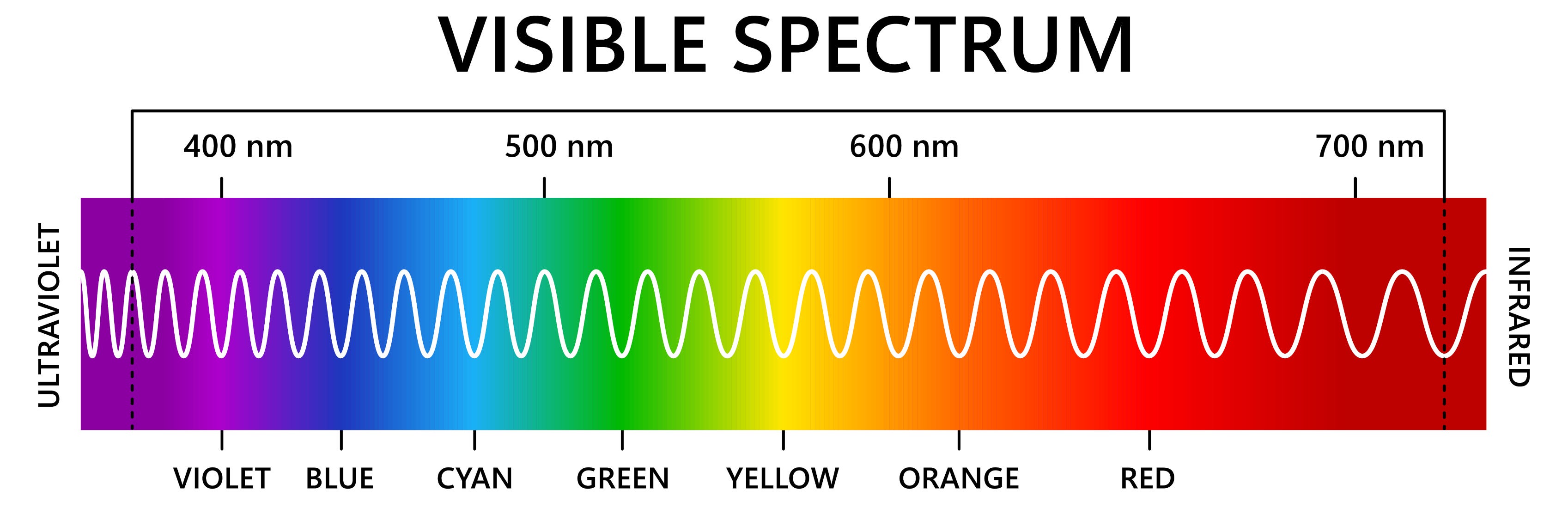
Instead, magenta’s place between blue and red is on a color wheel or color circle, which helps us make practical use of color rather than illustrating light wavelengths.
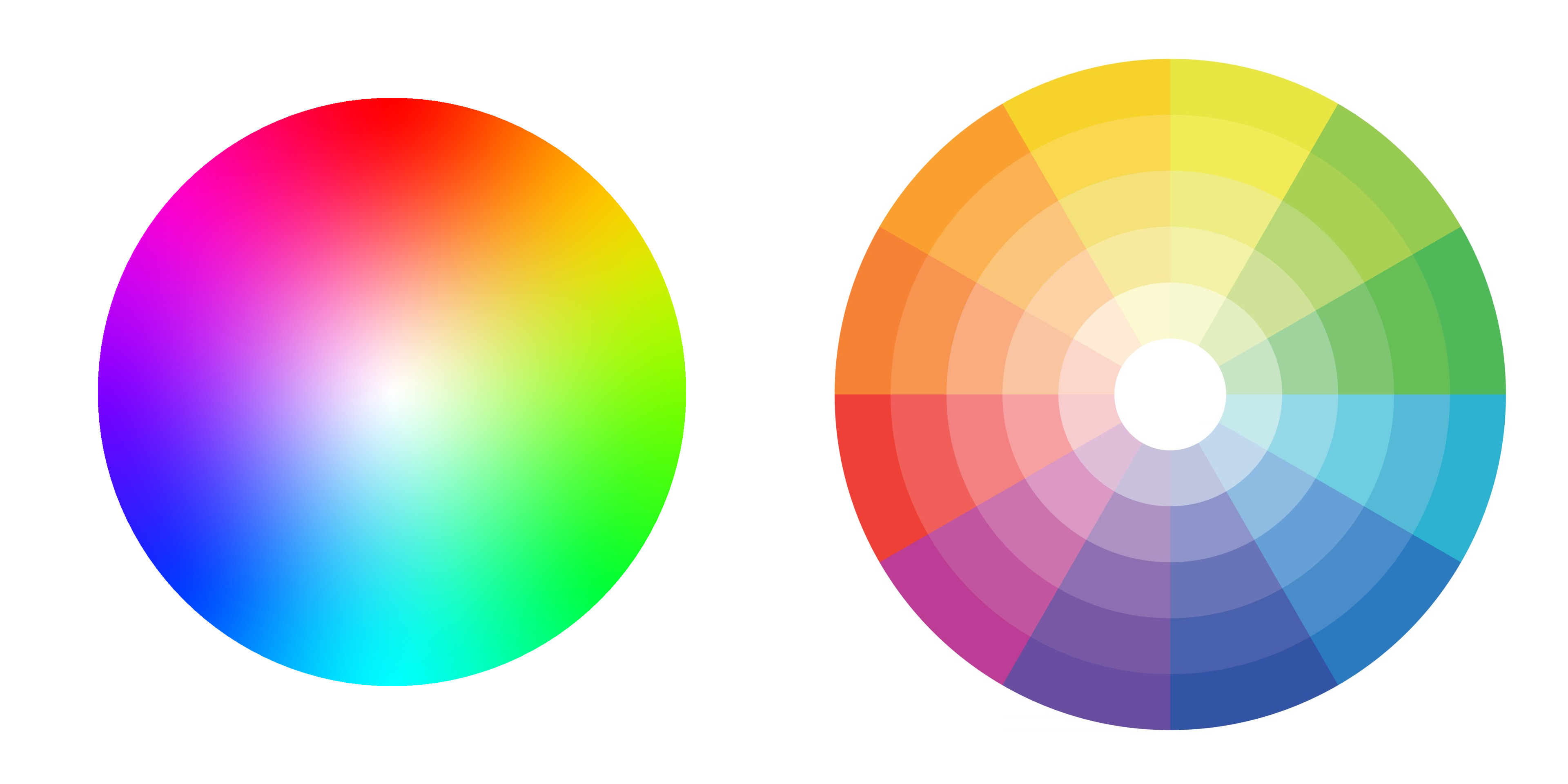
Our wonderful brains are constantly interpreting the signals sent by our eyes, helping us perceive our world. Magenta is what the brain gives us when it mixes equal parts of the blue and red wavelengths. I think it’s interesting that the brain is not averaging the wavelengths of red and blue; it’s not finding the midpoint, which would be green. (What? Look at the spectrum again) It’s as if the brain “knows” that green doesn’t belong in a mix of red and blue.
Magenta is a relatively new color, in the great scheme of things, invented by the French chemist François-Emmanuel Verguin. He created a dye whose color was originally called fuchsine, later renamed magenta after the location of the important Battle of Magenta.
Researching the relationship between magenta and other colors leads to an amazingly complex rabbit-hole of color theory. There are too many systems and details to go into here. (RGB, CMYK, Munsell, Pantone) See the links at the bottom of this article.
Whether it’s “real” or not, we can celebrate that our brains allow us to enjoy this rich color.
And now, here are today’s Random Nuggets:

Links for more info: The Battle of Magenta; The Color Magenta; Color Theory