

Mmmmm, Spaghetti.
More Tasty Nuggets (TDH #41)

Pasta has been around for millennia. There doesn’t appear to be a direct descendancy from ancient China to the Mediterranean area, and the story is murky at best. The most common origin myth is that pasta was brought back from China by Marco Polo.
It’s not true, though, because pasta appears in some writings that predated Marco Polo’s return from the far east. Various Middle Eastern documents refer to “long-form dried pasta,” including a mention in the Talmud in the 5th century.
By the 12th century there is mention of an actual pasta industry in Sicily. It seems like the general consensus is that the Arabs brought pasta to the Mediterranean Basin. It’s a long path to the 14th century, where we find “maccheroni” being twirled on forks.
Technological innovation led to a drastic drop in pasta production costs and its price to the consumer. Macaroni was thus “promoted” to the staple food of Neapolitans, and the pasta/cheese duo replaced the cabbage/meat duo. So that’s why, as early as the XVII century, the epithet “macaroni-eaters” started being attributed to Neapolitans.
The quote above is from “A Short History of Spaghetti with Tomato Sauce: The Unbelievable True Story of the World's Most Beloved Dish” by Massimo Montanari. I skimmed through an electronic copy, and THERE is the place to find many (MANY) gastronomical details. (the book on Amazon)

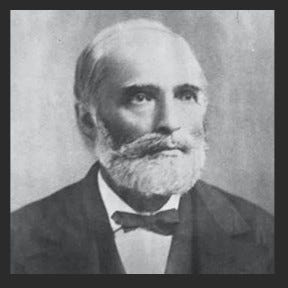
I’m going to skip ahead now to 1848. That’s the year that French immigrant Antoine Zerega opened the first U. S. pasta factory in Brooklyn, New York. And they are still at it, today!
We have the capacity to produce over 800 million pounds of dry pasta each year. No matter what kind of pasta you’re looking for, we’ll have it. And if you don’t know? We’ll work together to figure it out. (from the Zerega website)
More Spaghetti Nuggets (sounds pretty yummy)
Marinara sauce originated in Naples and comes from the Italian word, marinaro, meaning sailor. Sailors' wives would whip up a quick sauce from garlic and oil and tomatoes when they saw their husbands on their way home from fishing.
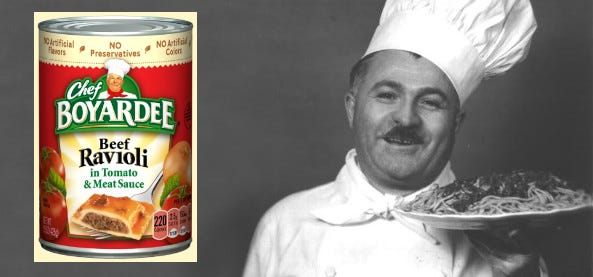
In 1914 Ettore "Hector" Boiardi immigrated to New York. He worked his way up to the position of head chef at the Plaza Hotel. In 1928 he founded his food production company and made it easier for Americans by becoming Chef Boyardee. During World War II, the company produced 250,000 cans a day.
"Spaghetti and meatballs" is an American invention. Many Italian immigrants found meat cheaper in America, so they started making bigger meatballs and pairing the protein with a starch, much like their American counterparts. (article from gourmandize.com)
And finally, “spaghetti” is plural! One strand or stick is a “spaghetto.” So that means Tramp and Lady shared a spaghetto at the beginning of their romance.
Even if you’ve seen it before. C’mon, watch the video. You won’t regret it. (happy sigh)